Today / Wednesday, November 11, 2026 · Newest first
Updated
Ridicu-Gauge: Our AI’s opinion of how foolish, avoidable, or self-defeating an action was. 1 = minor silliness. 10 = exceptional failure of judgment. Thin evidence stays unrated.
In a Veterans Day address, Trump defended the Iran war and claimed the U.S. had 'won'.
Why this rating?
Publicly declaring victory in an ongoing international conflict is a messaging-and-deterrence lapse that can undermine diplomacy, confuse allies, and weaken strategic leverage.
Evidence in related headlines and snippets: clear. AI editorial judgment; read the original reporting.
Senators urged the administration to preserve Nvidia documents amid scrutiny over the company's ties to the White House.
Why this rating?
Maintaining close ties to an industry CEO under intelligence scrutiny invites predictable conflicts and optics problems; the report documents scrutiny but not full details.
Evidence in related headlines and snippets: partial. AI editorial judgment; read the original reporting.
Report: administration proposes changes to SNAP that would make grocery assistance harder to get.
Why this rating?
Deliberate policy moves that expand SNAP removals are avoidable administrative choices that predictably disrupt vulnerable communities and harm program goals; reporting summarizes the proposal but lacks full implementation detail in the snippet.
Evidence in related headlines and snippets: partial. AI editorial judgment; read the original reporting.
Kennedy family sues the administration over its planned 250-foot arch, alleging unlawful construction.
Why this rating?
Pursuing a large, contentious monument that prompts a high‑profile lawsuit suggests self‑aggrandizing, legally risky use of federal authority and poor project vetting.
Evidence in related headlines and snippets: partial. AI editorial judgment; read the original reporting.
Conservative Jewish groups publicly voiced support for Stephen Miller after his chief-of-staff appointment.
Why this rating?
Elevating a highly polarizing, controversial adviser to chief of staff is a foreseeable personnel choice that predictably invites backlash, worsens messaging discipline, and reflects questionable vetting for a senior managerial post.
Evidence in related headlines and snippets: partial. AI editorial judgment; read the original reporting.
White House lawyers warned Democratic oversight probes could amount to criminality, drawing sharp pushback.
Why this rating?
Threatening to investigate or criminalize routine congressional oversight is an aggressive escalation that undermines norms and predictably invites retaliation and public backlash.
Evidence in related headlines and snippets: clear. AI editorial judgment; read the original reporting.
Administration announces plan to sell federal public lands and shrink the federal estate.
Why this rating?
Selling federal public lands is a discretionary policy choice that predictably invites environmental, tribal, and political backlash and undermines conservation goals; reporting states the proposal but details and scope are limited.
Evidence in related headlines and snippets: partial. AI editorial judgment; read the original reporting.
The White House warned Democrats their oversight probes could 'cross the line into blatant criminality,' threatening investigators.
Why this rating?
Warning that congressional oversight probes might be 'blatant criminality' is an aggressive, avoidable escalation that undermines norms and predictably invites retaliation and public backlash.
Evidence in related headlines and snippets: clear. AI editorial judgment; read the original reporting.
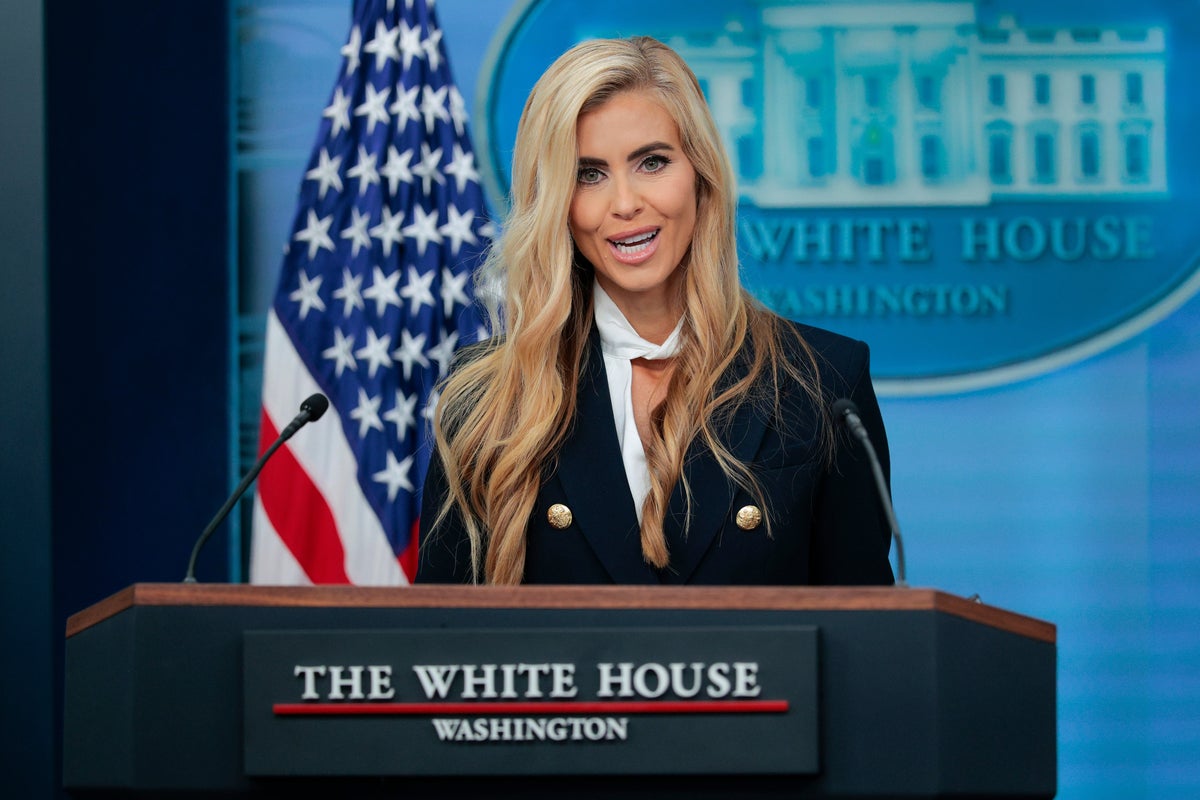
Ousted short‑lived press secretary publicly 'melts down' in BBC interview after five‑day tenure.
Why this rating?
A very short-tenured press secretary publicly breaking down on broadcast reflects poor personnel selection and vetting and creates an avoidable optics and communications failure for the administration.
Evidence in related headlines and snippets: partial. AI editorial judgment; read the original reporting.
The administration proposed selling public lands and reducing the federal estate, a policy likely to provoke legal and political pushback.
Why this rating?
Proposing mass public‑land sales is a discretionary policy choice that predictably invites legal, environmental, tribal, and political backlash and weakens conservation safeguards.
Evidence in related headlines and snippets: partial. AI editorial judgment; read the original reporting.
Reports say Trump and Netanyahu clashed loudly over Iran during a call.
Why this rating?
A public shouting match with a key ally over active military policy is a clear diplomatic lapse that risks harming coordination and optics; sourcing is news-reporting rather than an official transcript.
Evidence in related headlines and snippets: partial. AI editorial judgment; read the original reporting.
Sentinel scolded Hegseth's delegation for laughing during the Tomb of the Unknown Soldier ceremony.
Why this rating?
Laughing during a solemn military ceremony by senior-Pentagon-associated staff is a predictable optics and discipline lapse that disrespects the occasion and invites public outrage.
Evidence in related headlines and snippets: partial. AI editorial judgment; read the original reporting.
Trump publicly backed Nvidia CEO Jensen Huang while the executive's alleged affair with an alleged spy raised national-security questions.
Why this rating?
Public internal clashes over handling a prominent national‑security and personnel matter suggest poor coordination and optics that undercut coherent administration messaging and crisis management.
Evidence in related headlines and snippets: partial. AI editorial judgment; read the original reporting.
Trump publicly embraced Nvidia CEO Jensen Huang while an espionage-related scandal was unfolding.
Why this rating?
Publicly backing a tech CEO under an espionage cloud is a judgment lapse that risks undermining national-security scrutiny and creates optics of misplaced loyalty.
Evidence in related headlines and snippets: partial. AI editorial judgment; read the original reporting.
A court ruled Trump’s $10B defamation suit against the BBC can proceed, allowing prolonged litigation.
Why this rating?
Filing a massive defamation suit that survives a dismissal bid risks prolonged, costly litigation and reputational exposure and appears to be a high-stakes legal gambit with foreseeable drawbacks.
Evidence in related headlines and snippets: partial. AI editorial judgment; read the original reporting.
Commerce secretary paused Trump's proposed Nvidia-China chip curbs after talks, undermining a public policy push.
Why this rating?
Delaying announced export controls after private talks is a coordination-and-decision lapse that undercuts stated policy and suggests avoidable mixed messaging and weak execution.
Evidence in related headlines and snippets: partial. AI editorial judgment; read the original reporting.
Administration proposes stricter unemployment rules requiring five job-search activities per week.
Why this rating?
Tightening unemployment requirements is an avoidable policy choice that predictably risks cutting benefits for vulnerable claimants and invites economic and political pushback.
Evidence in related headlines and snippets: partial. AI editorial judgment; read the original reporting.
Report says Trump flip-flopped on accepting midterm results, creating a public messaging contradiction.
Why this rating?
A high-profile public flip-flop on accepting election results is a clear messaging contradiction that undercuts credibility and invites confusion, but the short snippet lacks direct quotes or timeline details.
Evidence in related headlines and snippets: partial. AI editorial judgment; read the original reporting.
Administration moves ahead to convert warehouses into immigration detention, raising predictable humanitarian and optics concerns.
Why this rating?
Converting warehouses into detention centers is a concrete policy/operational choice that predictably raises humanitarian, legal, and optics concerns and was avoidable with better alternatives.
Evidence in related headlines and snippets: clear. AI editorial judgment; read the original reporting.
A Texas veterans' group sued the Trump administration over its disability‑benefit claims process.
Why this rating?
Being sued over a benefit claims process signals an avoidable administrative or policy failure that predictably harms veterans and invites legal costs and reputational damage.
Evidence in related headlines and snippets: partial. AI editorial judgment; read the original reporting.
Report alleges a Trump social-media adviser took $500K in Qatar-linked payments, raising ethics and vetting concerns.
Why this rating?
An allegation that a senior campaign/White House social-media figure accepted large foreign-linked payments suggests avoidable vetting or ethics failures that create predictable conflict-of-interest risks; reporting is accusatory but specific.
Evidence in related headlines and snippets: partial. AI editorial judgment; read the original reporting.
4th Circuit rebuked the administration for asking LinkedIn for critics' data.
Why this rating?
Requesting journalists' or critics' private platform data is an overreach that threatens press freedom and suggests poor legal judgment that courts rebuked.
Evidence in related headlines and snippets: partial. AI editorial judgment; read the original reporting.
A former FDA chief accused the Trump administration of letting industry shape healthcare policy.
Why this rating?
An allegation that the administration yielded to industry influence suggests a predictable conflict of interest and weakened regulatory integrity, though the claim needs corroboration.
Evidence in related headlines and snippets: partial. AI editorial judgment; read the original reporting.
Trump hinted at an immigration deal, then reversed himself in public, repeating a familiar flip-flop.
Why this rating?
A public hint of a deal followed by a reversal is a messaging flip-flop that undercuts credibility and complicates negotiations, though the snippet lacks full timeline and quotes.
Evidence in related headlines and snippets: partial. AI editorial judgment; read the original reporting.
Administration put the architect of its anti-DEI agenda in charge of DOJ's Civil Rights Division.
Why this rating?
Elevating a figure known for aggressively opposing DEI to a civil-rights leadership role predictably invites backlash and risks undermining department credibility and impartiality.
Evidence in related headlines and snippets: partial. AI editorial judgment; read the original reporting.